




Shift Work Sleep Disorder: The Hidden Cost of Working Around the Clock
November 9, 2025An Oxford Education?
March 31, 2026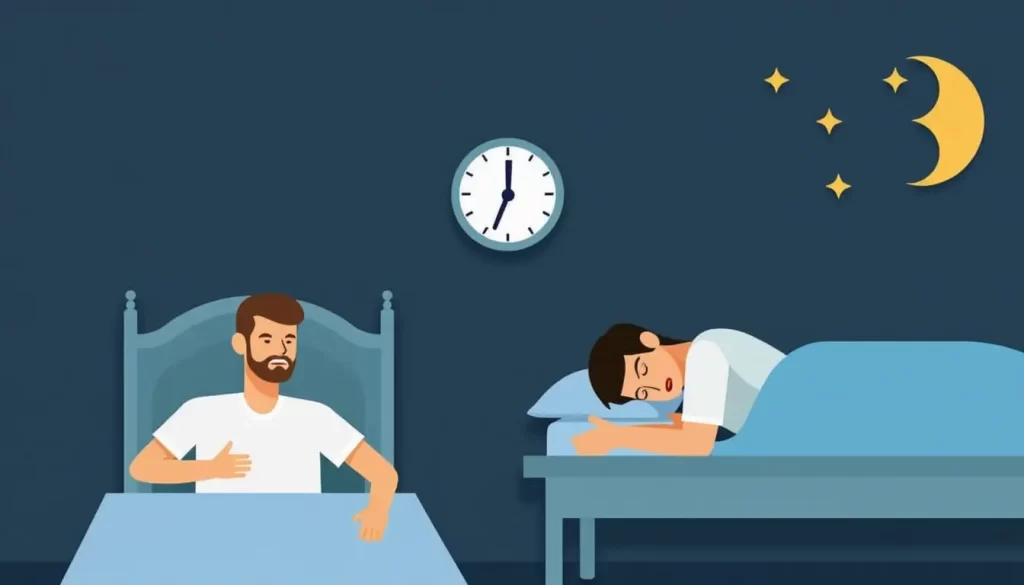
Let’s be clear from the start: Shift Work Sleep Disorder (SWSD) is not just about feeling a little tired. It’s a recognized medical condition, a chronic misalignment between your body’s internal clock and the demands of your work schedule.
For the millions who work nights, early mornings, or rotating shifts, this isn’t a choice. It’s a relentless tug-of-war between the paycheck and your primal biology. This article isn’t just a description; it’s a guide to recognizing, understanding, and fighting back.
Part 1: The Symptoms – More Than Just “Feeling Tired”
How do you know if you’re one of the estimated 10-20% of shift workers with SWSD? It’s more than yawning. Look for this cluster of symptoms that persist for at least three months:
- The Crushing Insomnia: This is the cornerstone. When you finally have the chance to sleep, your body refuses. You lie in bed for hours, your mind racing, while the sun shines and the world wakes up outside your window. It’s a special kind of frustration—being exhausted but utterly unable to sleep.
- The Unrelenting Fatigue: This isn’t your average “I need a nap” feeling. It’s a profound physical and mental drain that follows you like a shadow throughout your entire shift and into your “leisure” time. It’s the heavy fog that makes every task feel Herculean.
- Cognitive Impairment (The “Brain Fog”): This is where it gets dangerous. Your brain, starved of restorative sleep, begins to malfunction. You experience:
- Lapses in concentration and memory.
- Slowed reaction times (a severe risk when driving or operating machinery).
- Difficulty processing information and making decisions.
- Irritability and mood swings.
- A General Feeling of Being “Off” or Unwell: This can manifest as persistent headaches, digestive issues like upset stomach or nausea (your gut has its own circadian rhythm!), and a loss of appetite. Your entire system is out of sync.
If this checklist feels familiar, it’s crucial to understand you’re not lazy or weak. You are experiencing a predictable biological conflict.
Part 2: The Sobering Risks – The Long-Term Cost
Ignoring SWSD is like ignoring a leak in your foundation. The short-term misery evolves into serious long-term health consequences. The chronic disruption of your circadian rhythm sends shockwaves through every system in your body.
- Metabolic Chaos: Your body doesn’t know when to process food. The result is a significantly higher risk of:
- Obesity
- Type 2 Diabetes
- Metabolic Syndrome
- Cardiovascular Strain: The constant state of alert and recovery failure puts immense pressure on your heart. Studies show a marked increase in the risk of:
- High Blood Pressure (Hypertension)
- Heart Attack
- Stroke
- Mental Health Toll: The isolation and biological upheaval create a perfect storm for your psyche. There is a strong link between SWSD and:
- Depression
- Anxiety Disorders
- Compromised Immunity: Sleep is when your body repairs itself and fights off pathogens. Without it, you’re a sitting duck for infections, and long-term, your risk for certain cancers may increase.
- Safety Risks: Impaired cognition and slow reaction times don’t just vanish when you clock out. The risk of workplace accidents and drowsy-driving incidents is terrifyingly high.
Part 3: The Solutions – Your Action Plan for Reclaiming Sleep
The good news? You are not powerless. While the challenge is great, a strategic, multi-layered approach can dramatically improve your sleep and quality of life.
Strategy 1: Conquer Your Sleep Environment (The “Sleep Cave”)
Your bedroom during the day must be a fortress against the waking world.
- Embrace Total Darkness: This is non-negotiable. Invest in blackout curtains, tape over electronic LED lights, and wear a high-quality sleep mask. Darkness triggers melatonin production.
- Declare War on Noise: Use earplugs or a white noise machine to drown out the day’s inevitable sounds—lawnmowers, traffic, and family life.
- Control Temperature: A cool room (around 65°F or 18°C) is ideal for sleep.
- Establish a “Pre-Sleep” Ritual: Even at 7 AM, signal to your body that it’s wind-down time. This could be 10 minutes of light reading (not a screen!), gentle stretching, or meditation.
Strategy 2: Hack Your Light Exposure
Light is the most powerful lever you have to reset your clock.
- On the Way Home: Wear blue-light-blocking sunglasses during your morning commute. This prevents the sunrise from telling your brain the day is starting.
- During Your Shift: Seek out bright light, especially blue-spectrum light, to promote alertness. If possible, talk to your employer about installing bright lighting in work areas.
- Before Bed: Avoid all screens (phone, TV, tablet) for at least an hour before you try to sleep. The blue light is a potent signal for wakefulness.
Strategy 3: Master Your Habits
- Caffeine Curfew: Stop all caffeine intake at least 4-5 hours before your planned bedtime. Its effects are long-lasting.
- Eat Light: Avoid heavy, rich, or large meals before sleep. If you’re hungry, a small, carbohydrate-light snack is best.
- Consistency is Key (Even on Off-Days): Try to keep a similar sleep-wake schedule even on your days off. While a slight adjustment is nice, swinging back to a “normal” schedule completely re-traumatizes your body clock every week.
Strategy 4: Know When to Seek Professional Help
If you’ve tried these strategies and still struggle, it’s time to see a sleep specialist. They can provide:
- An Official Diagnosis to rule out other issues like sleep apnea.
- Strategic Use of Melatonin Supplements (timing and dosage are critical).
- Discussion about Prescription Medications like wake-promoting agents for use during your shift, or short-term sleep aids.
The Takeaway: You Are Not Your Shift
Shift Work Sleep Disorder is a formidable opponent, but it is a manageable one. Understanding the symptoms allows you to name the enemy. Acknowledging the risks provides the motivation to act. And implementing the solutions gives you the power to fight back.
Your work schedule is what you do; it doesn’t have to define how you feel. By taking proactive, deliberate steps, you can reclaim your sleep, protect your health, and build a better life, both on and off the clock.